Case Study I 2026-06-13

DN1400 | PN80 56-Inch Pneumatic-Hydraulic Fully Welded Ball Valves Delivered for Uzbekistan Natural

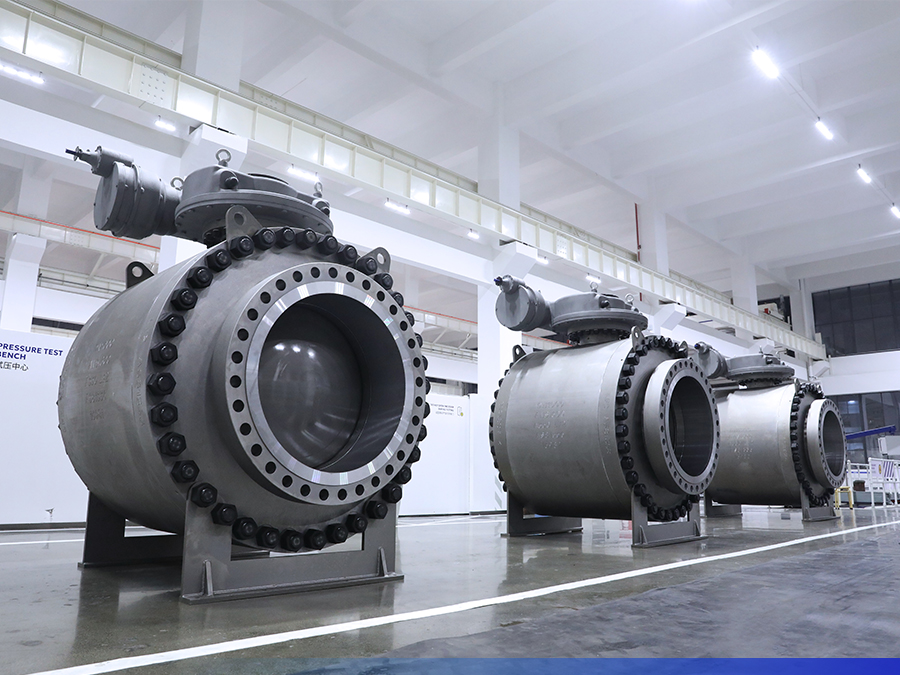
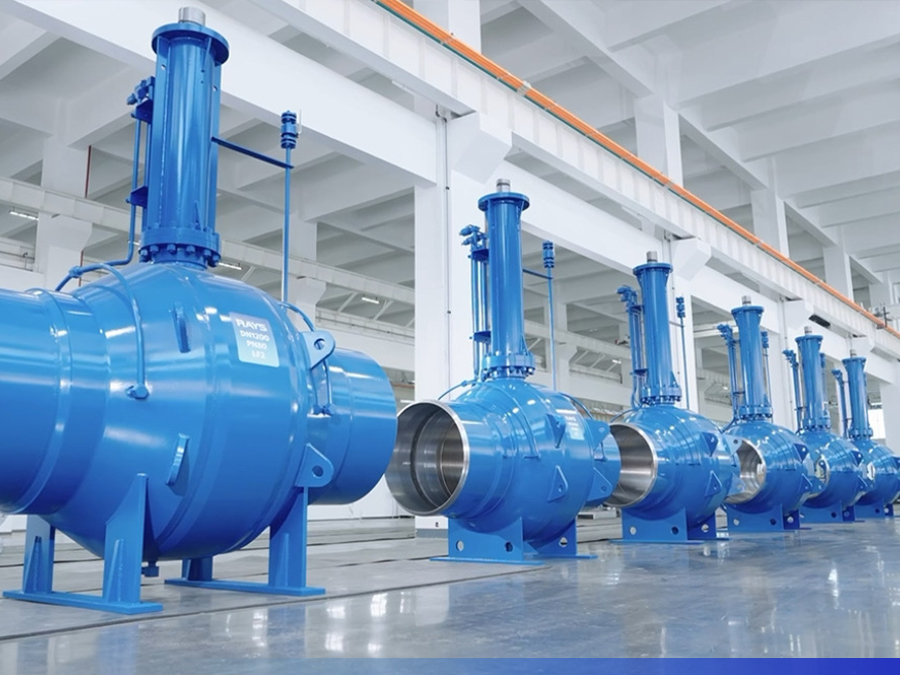
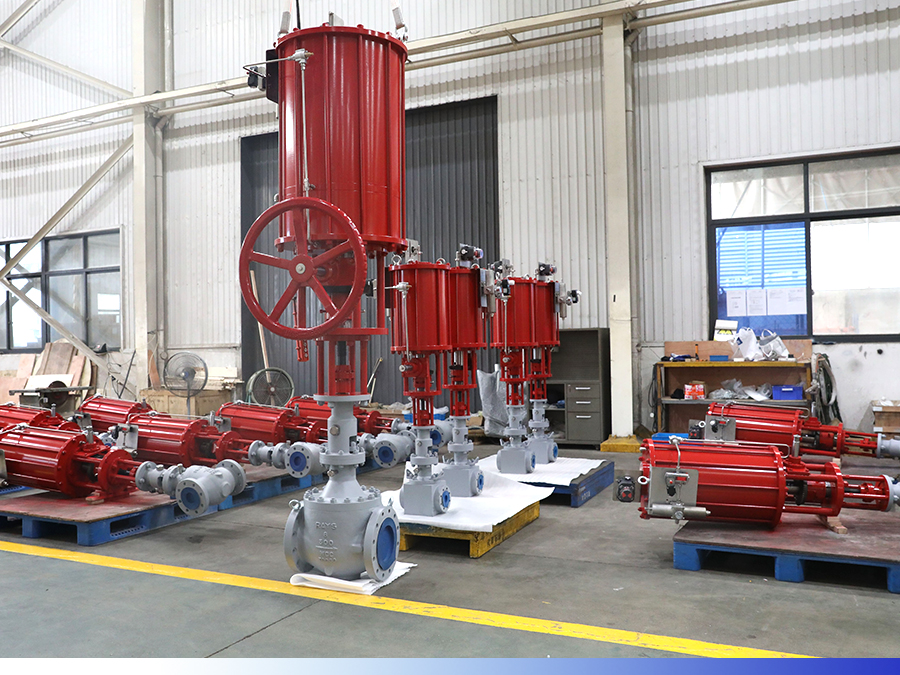
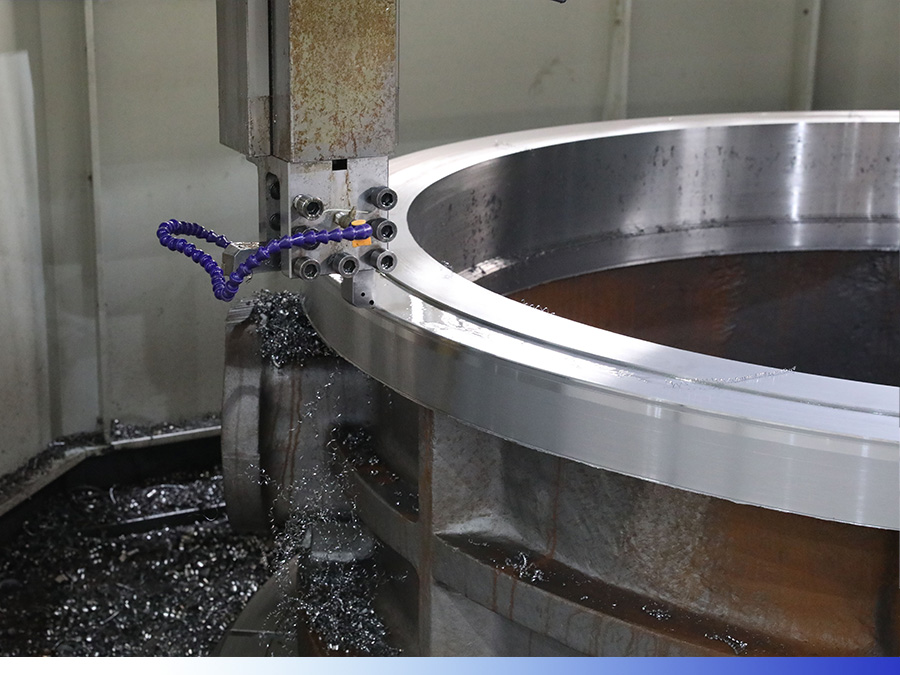
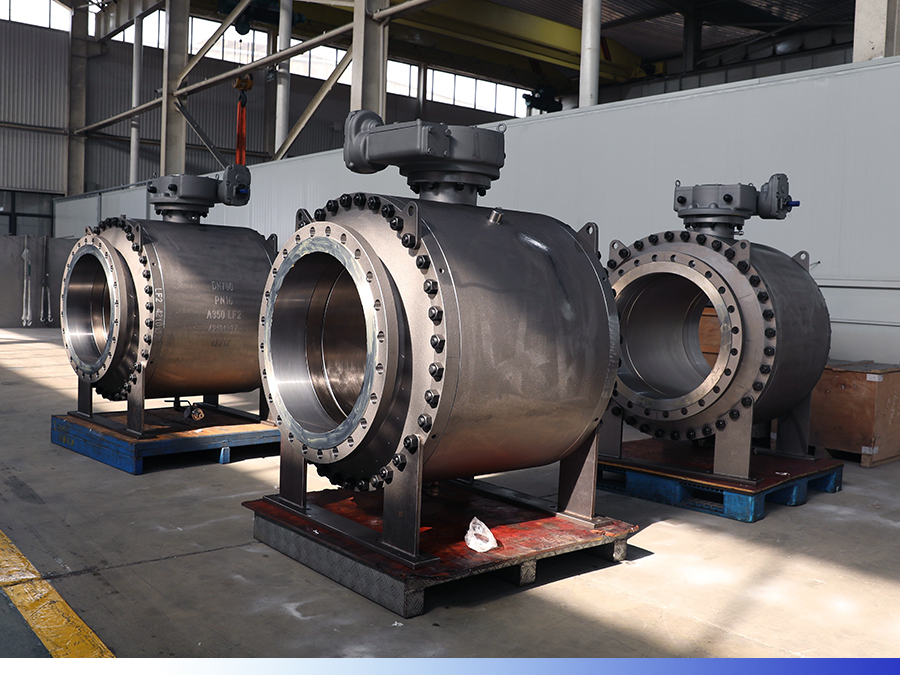
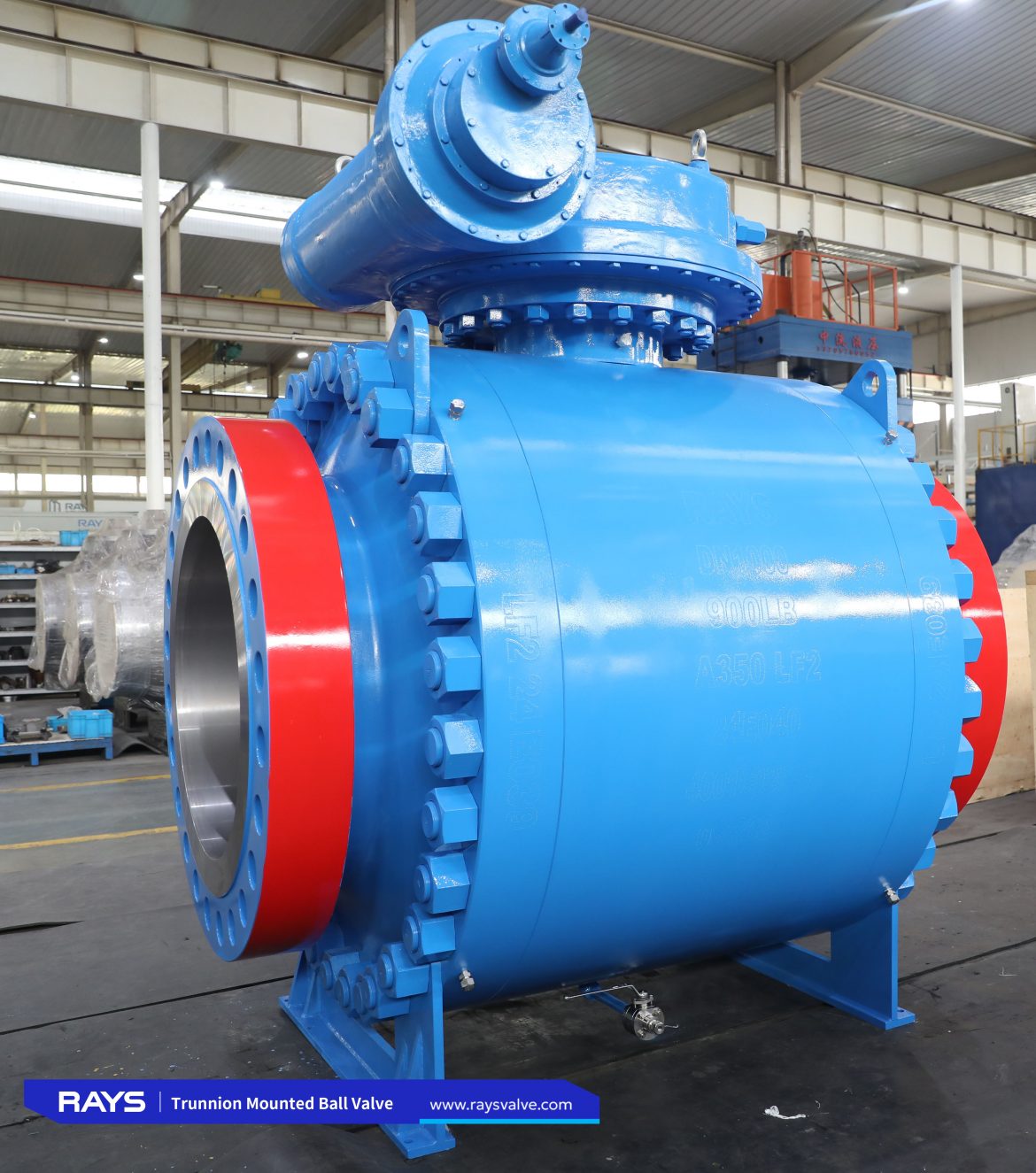
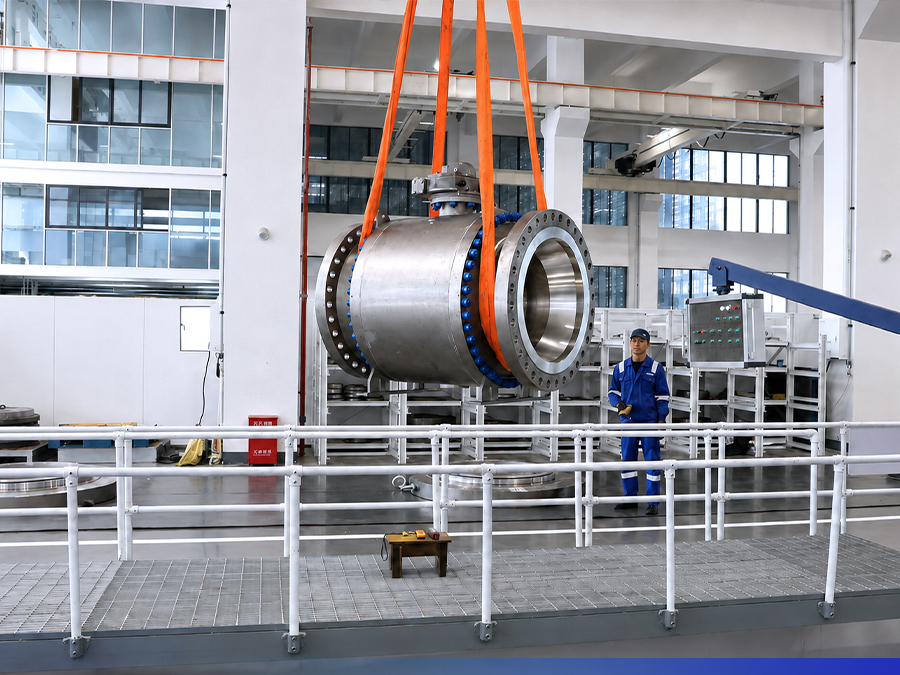
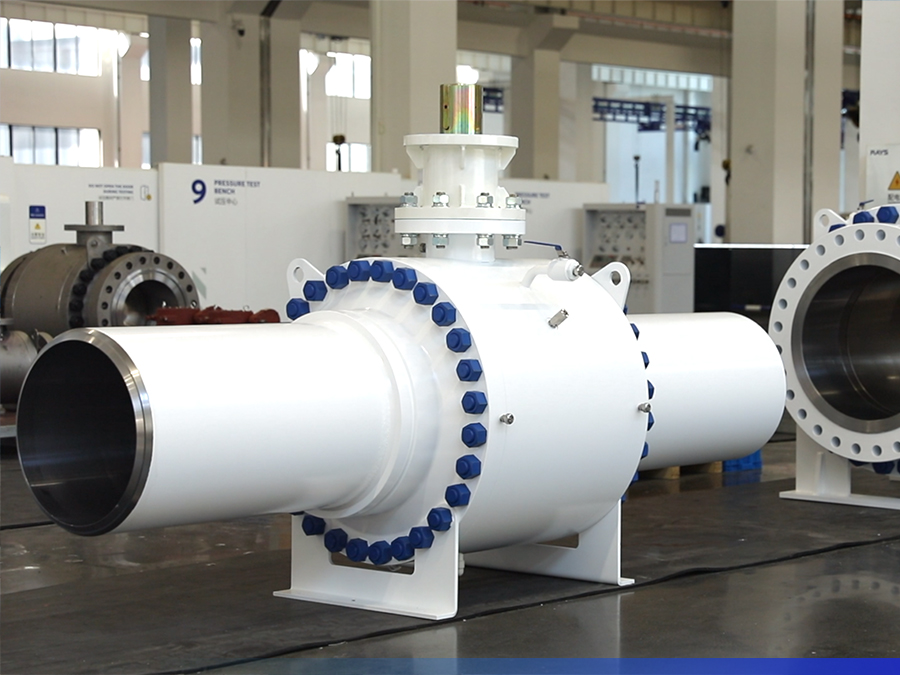
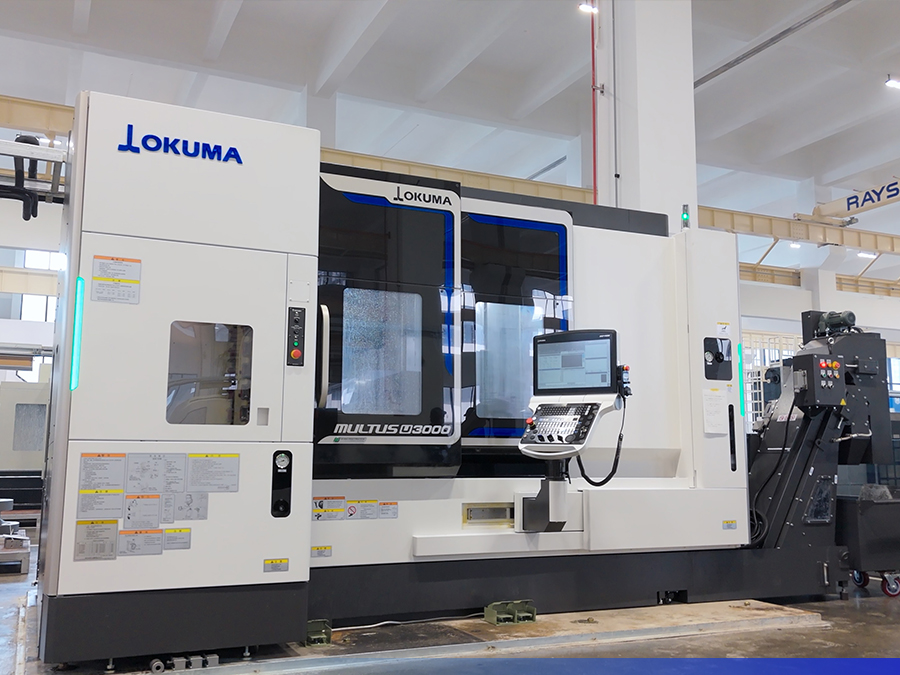
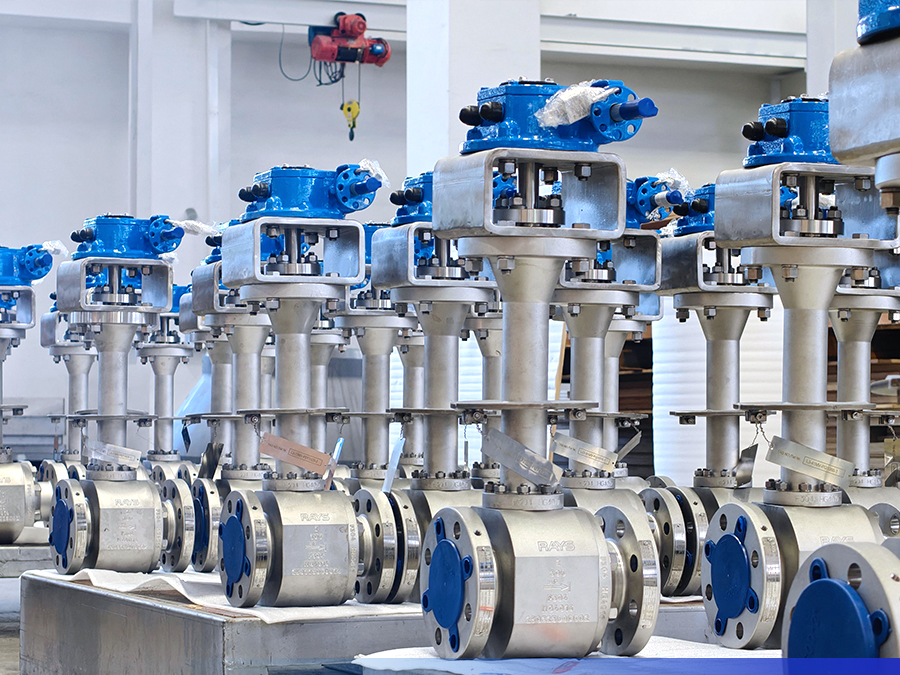
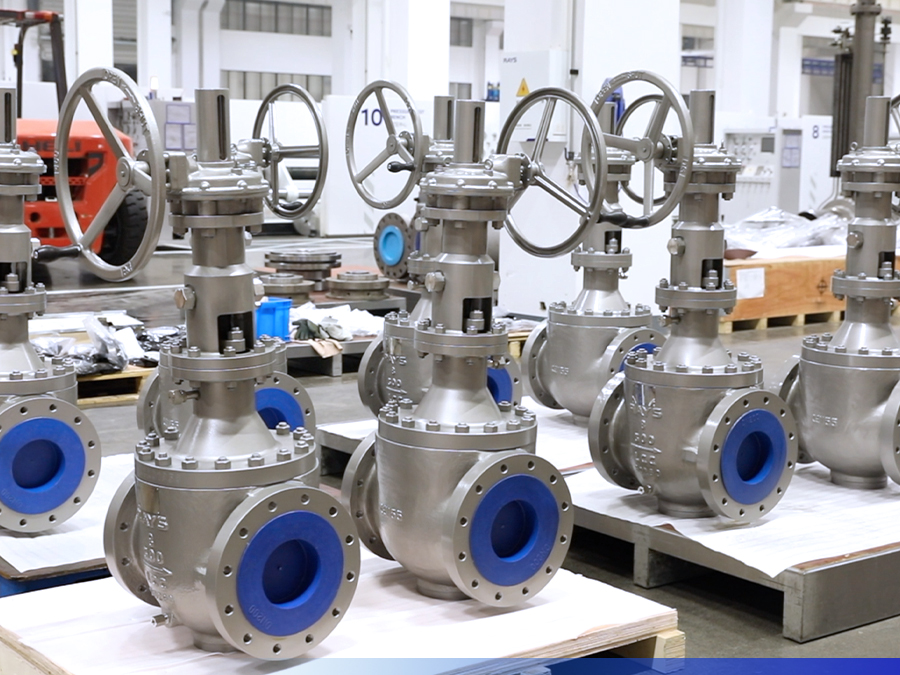
In the context of ongoing energy infrastructure development under the Belt and Road Initiative, long-distance natural gas pipeline projects place higher requirements on critical valve equipment.Recently, Zhejiang RAYS Flow Control successfully completed the batch delivery of pneumatic-hydraulic fully welded ball valves for a natural gas pipeline project in Uzbekistan. The delivered valves cover DN50–DN1400 | PN80, with the largest size reaching 56 inches and a single valve weight exceeding 35 tons. The valves are designed for high-pressure, long-distance natural gas transmission service.As one of the few domestic export references for 56" | Class 600 natural gas pipeline ball valves, this project represents an important milestone for the RAYS ball valve product line and demonstrates RAYS’ capability in supporting international energy infrastructure projects.A Systematic Challenge Behind a Large-Diameter Pipeline ValveIn natural gas transmission, a 56-inch fully welded ball valve is a representative large-diameter and high-pressure pipeline valve. When the Uzbekistan project started, RAYS was not facing a standard pipeline valve order, but a system-level project covering design, process engineering, manufacturing, quality control, testing, and delivery.At the early project stage, RAYS quickly organized its engineering, manufacturing, quality control, and project management teams to work together. The team focused on four key areas: pressure-bearing structure, seat sealing system, low-torque design, and pneumatic-hydraulic actuator control.During the design stage, RAYS engineers used 3D modeling and finite element analysis to evaluate key components such as the valve body, extended stem, actuator, and connection parts. In addition to conventional pressure and temperature conditions, seismic load conditions were also simulated to verify structural safety and pressure boundary reliability from the design stage.Engineering Design and Structural VerificationThe valves adopt a forged fully welded body and bonnet design, improving overall strength and toughness. This structure helps the valve withstand and transfer pipeline stress and system pressure while maintaining connection and sealing reliability.For the ball design, RAYS engineers carried out deformation calculations under large-diameter and high-pressure conditions. This helps prevent ball deformation from affecting sealing contact and supports long-term sealing stability in gas pipeline service.Multi-Layer Sealing for API 6D Zero Leakage RequirementsIn long-distance natural gas pipelines, sealing performance is a key factor for safe operation. For this project, the valves adopt a multi-layer seat sealing structure to improve long-term sealing reliability.Elastomer primary sealing: designed to meet API 6D zero leakage requirements.Quasi-metal sealing: protects the primary sealing system.PEEK supporting seal: helps share axial thrust and reduce the risk of metal galling.In addition, the valves are designed with DBB functionality in the fully closed position, allowing online seat sealing tests and cavity drainage without interrupting pipeline operation.Low-Torque Design for Reliable Long-Term OperationEmergency shut-off valves in long-distance pipelines remain open for most of their service life. In addition to sealing performance, reliable operation after long-term standby is also critical.RAYS reduces valve operating torque through optimized stem load structure, sealing design, bearing configuration, ball machining accuracy, and surface treatment.Key low-torque design features include:Low initial sealing force designLow-friction PTFE self-lubricating bearingHigh-precision ball machining with coaxiality and roundness controlled within 0.02 mmChemical nickel plating on the ball surface for wear resistance and reduced friction coefficientThrough the combined control of sealing, bearing, machining accuracy, and surface treatment, RAYS improves the operating reliability of large-diameter, high-pressure pipeline ball valves.Manufacturing, Testing, and Reliable DeliveryDuring production, RAYS integrated engineering, machining, inspection, and assembly processes into a closed-loop quality control system. Key components such as valve bodies and seats were precision-machined by large imported CNC machining centers and inspected by coordinate measuring machines to control dimensional accuracy.Before delivery, each valve completed shell pressure testing, seat sealing testing, opening and closing tests, torque calibration, and pneumatic-hydraulic actuator function tests. These inspections ensure that the valves meet the requirements of long-distance natural gas pipelines for emergency shut-off, remote operation, and rapid response under abnormal conditions.Supporting Energy Infrastructure Projects WorldwideFrom design verification to manufacturing and testing, the Uzbekistan natural gas pipeline project demonstrates RAYS’ systematic capability in large-diameter, high-pressure fully welded ball valves.RAYS will continue to support natural gas transmission, oil and gas storage and transportation, and critical energy infrastructure projects worldwide with reliable flow control solutions.…

Read more

Case Study I 2026-04-28

Proven Across Applications | Rising Stem Ball Valve Performance in Gas Field and Petrochemical Proje

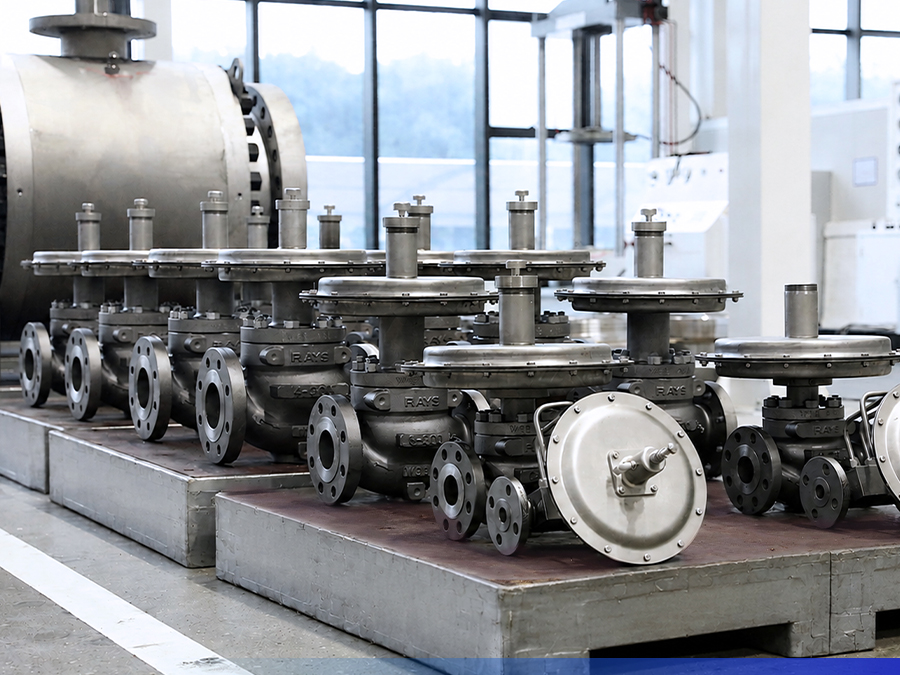
Recently, RAYS has completed the manufacturing and delivery of top-entry rising stem ball valves for an offshore gas field project (CNOOC Zhanjiang) and a petrochemical plant in Poland. The petrochemical project achieved batch deployment of 54 units.Project 1 | CNOOC Offshore Gas Field ApplicationIn a gas field project operated by CNOOC Zhanjiang Branch, RAYS rising stem ball valves are used for high-pressure natural gas transmission (12" / Class 1500).Under this service condition, valves are required to withstand high pressure combined with frequent operation, placing strong demands on sealing stability and mechanical reliability.Project 2 | Poland Petrochemical ApplicationIn a petrochemical plant in Poland, RAYS rising stem ball valves have been deployed in batch (54 units), serving media including vinyl chloride (VCM), dichloroethane (EDC), and HCl (2–8" / Class 300).In this project, RAYS valves were selected to replace existing Cameron ORBIT rising stem ball valves in the pipeline system. While meeting the same performance requirements, the solution provided advantages in delivery time and overall cost.Although the two projects operate under different service conditions, they exhibit a similar underlying mechanism during operation: frequent cycling subjects the sealing interface to continuous variations in load and contact state, while environmental factors further accelerate interface degradation.Under such conditions, the key question is no longer whether sealing can be achieved, but:whether sealing performance can remain stable over long-term cyclic operation.In these scenarios, sealing degradation is not driven by a single factor, but by the continuous evolution of contact conditions at the interface.In conventional ball valves, the sealing surfaces remain in contact throughout the entire open–close cycle. When high pressure, frequent operation, and aggressive media are combined, the effect of “contact + relative motion” continuously acts on the sealing interface:Microscopic wear progressively alters the sealing surfaceCorrosive media accelerate material degradationCyclic loading leads to gradual deviation of sealing contact stressAs a result, sealing failure is rarely a sudden event — it is a progressive outcome formed during operation.To address the above challenges, RAYS adopts a top-entry rising stem ball valve design, transforming the ball movement from conventional “rotation under continuous contact” into a track-guided motion with separated contact phases:Initial opening/closing stage: the ball lifts axially away from the seat, eliminating contactIntermediate stage: the 90 rotation is completed under a no-contact conditionFinal closing stage: sealing is achieved through controlled mechanical loadingThis approach converts the traditional continuous contact during operation into a phase-controlled contact mechanism, fundamentally reducing the conditions that lead to wear from a structural standpoint.Across both projects, the valves demonstrate consistent operational behavior:Reduced wear during repeated operationStable sealing performance over timeVerified zero leakage performance in accordance with ISO 5208-AIn addition:Single-seat design helps mitigate cavity overpressure risksTop-entry configuration enables easier in-line maintenanceFrom offshore gas transmission to petrochemical processing, the applications differ — but the requirement for stability remains the same.These projects demonstrate that by controlling contact through structural design, sealing performance can be maintained in a predictable and reliable manner under complex operating conditions.…

Read more

Case Study I 2025-11-10

High-Pressure, High-Temperature Multistage Pressure-Reducing Control Valves Shipped from RAYS to Cus

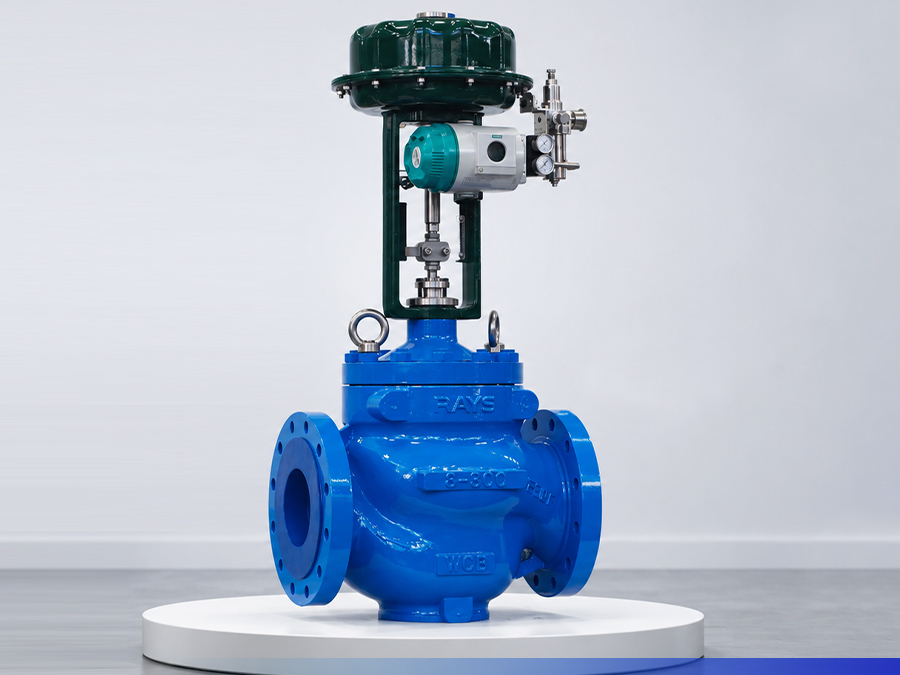
Recently, several DN250 high-pressure, high-temperature multistage pressure-reducing control valves bearing the “RAYS” logo were successfully lifted onto trucks after completing their final inspection and packaging. These valves are now en route to the customer’s project site, embarking on a mission to ensure safety and stability in the plant’s core process section.The products shipped this time represent RAYS’ flagship solution for extreme service conditions such as high differential pressure, high temperature, and cavitation. Each valve features a nominal diameter of DN250 and a pressure rating of Class 2500.The valve body is fully forged from F91 high-temperature alloy steel, offering exceptional strength and creep resistance under high-temperature service. Designed for a maximum operating temperature of +566 C and a pressure differential up to 32 MPa, this valve stands as a true “hardcore guardian” in industrial control applications.Its successful deployment marks a major breakthrough in Wenzhou’s high-end control valve manufacturing capabilities, filling an important gap in the region’s industrial technology landscape.Precision Engineering for Extreme ReliabilityAt the heart of its design lies RAYS’ proprietary carbon–graphite cage sealing structure, ensuring zero leakage even under extreme temperature conditions. The sealing performance not only meets but exceeds ANSI Class VI standards.The key lies in the seal ring’s dynamic compensation mechanism. Each ring incorporates a high-temperature alloy spring and flexible graphite as the sealing medium, providing continuous, recoverable elastic force. This design effectively compensates for thermal expansion and contraction, preventing seal relaxation or over-compression. It also resists plastic deformation over time, ensuring tight sealing between the valve cage and stem — eliminating leakage at its source.Additionally, an extended bonnet design protects the stem and actuator from thermal stress, ensuring reliable performance in high-temperature service. Together, these design features provide a robust defense against long-term erosion and wear caused by harsh process media.Controlling the Uncontrollable: The Challenge of High ΔP and TemperatureIn industrial systems, the destructive power of high-pressure, high-temperature fluids is often underestimated. Imagine superheated steam at 10 MPa and over 400 C surging through a narrow passage and dropping instantaneously to 1 MPa — a process that resembles a micro-explosion rather than a smooth transition.This sudden collapse triggers cavitation shock: vapor bubbles form and implode repeatedly, tearing valve internals apart. Meanwhile, the fluid’s supersonic velocity accelerates erosion, accompanied by intense vibration and deafening noise, posing serious threats to the entire piping system.To overcome these challenges, RAYS developed its Multistage Pressure-Reducing Control Valve based on the innovative principle of “dividing and dissipating pressure step by step.” The valve’s precision-engineered multistage orifices inside a specially designed cage convert the massive pressure drop into a series of micro-pressure stages, allowing the fluid to decrease smoothly — like walking down a staircase.Combined with a low-noise, anti-vibration structure, this design minimizes high-frequency vibration, mitigates equipment failure risk, and ensures long-term operational stability under dynamic service conditions.This approach not only eliminates cavitation at its root but also reduces noise and vibration dramatically, extending the valve’s service life by several times.Proven Across Critical IndustriesWith its uncompromising performance, this control valve has become a trusted guardian in multiple critical applications:Power Generation – For main steam pressure reduction and boiler feedwater recirculation, protecting turbines and ensuring safe startup and shutdown.Petrochemical – Handling high-temperature, high-pressure hydrogen–oil media in hydrocracking and reactor feed systems.Coal Chemical – Delivering exceptional wear and corrosion resistance in black water and gray water regulation services.More Than a Delivery — A Commitment to ReliabilityThis shipment represents more than just a product delivery; it reflects RAYS’ commitment to safety, reliability, and performance excellence.On the path toward achieving safe, stable, efficient, and long-lasting plant operations, a dependable control valve is not just a component — it is the cornerstone of industrial reliability.Request a Quote…

Read more

Case Study I 2025-07-21

Manufacturing by RAYS | Top-Entry Metal-Seated Rising Stem Ball Valve Provides Key Technical Suppor

In the energy sector of Southeast Asia, engineering projects undertaken by Malaysian state-owned enterprises are renowned for their stringent technical requirements. This is particularly true for critical processes in natural gas processing plants, such as LPG (liquefied petroleum gas) treatment and regen gas (regeneration gas) recovery systems, where valve equipment is held to extremely high standards in terms of reliability, sealing performance, and intelligent control. Recently, the 20 units of 2-8 inch, 300 lb top-entry intelligent control rising stem ball valves we supplied to a Malaysian customer successfully passed project acceptance. These products were meticulously designed and manufactured in strict compliance with API 6D standards, and their exceptional sealing performance and intelligent control capabilities made them key equipment in the customer's LPG processing plant upgrade project. This series of top-entry intelligent control rising stem ball valves is specifically designed for high-temperature and corrosive media conditions in the oil and gas industry. The products meet international standards such as API 6D, ISO 17292, and ASME B16.34, and have achieved SIL 3 functional safety certification. They fully satisfy the rigorous demands of Southeast Asian markets for valve reliability, intelligence, and long-term operational performance. Working Principle of Rising Stem Ball Valves :When the valve is in the fully open position, rotating the handwheel clockwise causes the valve stem to descend due to the interaction between the stem nut and thrust bearing, simultaneously driving the ball to rotate. As the handwheel continues to turn, the precision helical curve groove track on the valve stem engages with the guide pin embedded within it, guiding the ball to rotate 90 clockwise without any friction against the seat sealing surface. Upon nearing the closed position, further rotation of the handwheel forces the valve stem to descend again, where the cam mechanism at the stem’s lower end mechanically presses the ball against the seat, ensuring a tight seal. Product Features of This Top-Entry Rising Stem Ball Valves:● Metal Hard-Seal Structure – Enhances high-temperature resistance and extends valve service life. The metal seat has a self-cleaning effect, reducing particle buildup on sealing surfaces and minimizing operational torque.● Top-Entry Design – Allows direct online inspection and maintenance of pipeline-mounted valves, significantly reducing plant downtime and operational costs.● Intelligent Control – Enables remote real-time monitoring and feedback of valve status, ensuring safe and reliable operation.● Single-Seat Rising Stem Ball Design – Eliminates mid-cavity pressure buildup (a safety hazard in conventional designs) while reducing opening/closing torque. The unique nature of the regen gas (regeneration gas) medium was one of the major challenges of this project. This type of gas typically contains fine particulate matter, which can cause erosion and corrosion on valve sealing surfaces over prolonged operation. Traditional soft-sealed valves are prone to material degradation and sealing failure under high-temperature and high-pressure conditions. To address this, we adopted a metal hard-seal structure, with U-shaped butt joints for welded connections and a specialized STL alloy welding process. Compared to soft-sealed valves, this sealing method offers higher temperature resistance (up to 450C or more) and maintains a leakage rate of 10⁻⁵ cc/sec (meeting ISO 5208 Class VI) even after long-term use. This design not only extends valve service life but also significantly reduces maintenance frequency, aligning with the oil and gas industry's demand for long-term stable operation. Top-entry design was another key technical highlight of these rising stem ball valves. Unlike traditional welded ball valves, the top-entry design allows maintenance personnel to quickly disassemble the valve core and seat while the pipeline remains pressurized, drastically reducing downtime. This is particularly critical for continuous production facilities—where process pipeline shutdown windows are extremely limited—and directly impacts project efficiency and operational costs. Our solution enabled the customer to complete equipment replacement in the shortest possible time, avoiding unplanned shutdowns due to valve failures and delivering significant economic benefits. Intelligent control represents the current trend in industrial valves and is a key demand in Southeast Asian markets. These Rising Stem Ball Valves are equipped with high-precision torque sensors and valve stroke feedback systems, enabling real-time monitoring of valve performance and data transmission to the plant’s control system. This design not only meets the customer’s requirements for equipment condition visualization but also facilitates predictive maintenance through data analysis. Additionally, all electrical components comply with ATEX/IECEx explosion-proof certification, ensuring stable operation in Malaysia’s harsh coastal environments with high humidity and salt spray. The successful execution of this Malaysian project not only validated the technical reliability of our products but also strengthened our position in Southeast Asia’s high-end valve market. Moving forward, we will continue to focus on the core demands of natural gas processing, refining, LPG, and LNG sectors, delivering greater value to Southeast Asian customers through technological innovation and dedicated project teams. In today’s increasingly competitive global market, true "localization replacing imports" relies not just on cost advantages but also on solid technical expertise and rapid response capabilities—precisely where we are committed to excelling.…

Read more

Case Study I 2025-06-04

RAYS Valve Supports Chemical Project, Delivering 202 High-Performance Valves in Progress

Recently, the overseas large-scale chemical plant equipment supply project undertaken by RAYS Company has achieved significant progress, with some Triple Eccentric Butterfly Valves and control valves already packed and delivered to the client. The project involved a total order of 202 valves. As one of the critical chemical infrastructure projects in Europe, the client imposed extremely high requirements for equipment reliability, safety, and environmental adaptability. Leveraging its extensive experience in valve solutions for ultra-high-pressure and highly corrosive conditions, RAYS successfully secured the bid for this project. The delivered Triple Eccentric Butterfly Valves feature notable advantages such as large diameters (up to DN2600) and bidirectional zero-leakage sealing, specifically designed for the demanding conditions of the chemical industry to ensure long-term stable operation in complex environments. To enhance sealing performance, RAYS adopted an elastic sealing structure in the design, significantly reducing maintenance frequency and operational costs. Additionally, all valves are equipped with an anti-stem blowout structure, complying with API 609 safety standards, further reinforcing overall system safety. The thickened valve stem and reinforced disc design ensure the stiffness and strength required for sealing under high-pressure conditions, enabling superior sealing performance in both forward and reverse directions. The valves delivered in this batch underwent comprehensive design optimization, strictly adhering to the ASME B16.34 standard. RAYS' technical team utilized 3D simulation analysis technology, resulting in valves that are approximately 1.2–1.5 times heavier than those of competitors in the same specification range. The optimized valve body structure significantly enhances strength, providing a higher safety margin beyond standard requirements and exceeding industry averages. Furthermore, the internal flow passage design was optimized using fluid analysis modules (Creo Flow Analysis) and fluid dynamics simulations. Numerical simulations of the internal medium flow field were conducted to ensure maximum flow capacity with minimal resistance while meeting the strength and stiffness requirements for sealing. This achieves the optimal Cv value, reducing energy consumption. Additionally, Finite Element Analysis (FEA) was employed to address the project’s specific operational requirements, incorporating customized designs to resolve the challenge of reverse sealing in butterfly valves. To ensure product quality, RAYS implemented rigorous inspections at every critical manufacturing stage, including 3D scanning for dimensional verification and high-pressure sealing tests. The project client and a third-party inspection agency have completed the Factory Acceptance Test (FAT) at the Alpha facility. The test results confirmed that all valves meet the ISO 5288 and EN 12266-1 Grade A standards for bidirectional sealing performance, fully satisfying the technical requirements of international high-end projects. Moving forward, RAYS will continue to optimize product performance, providing safer and more efficient valve solutions for the chemical, energy, and other industries.…

Read more