Home
Products
Control Valves
Ball Valves
Slab Gate Valves
Butterfly Valves
Plug Valves
Casted GGC Valves
Compact Forged Steel Valves
Cryogenic Valves
Specialty Valves
Solutions
Oil & Gas
Chemical
Water
Mining
LNG
Power
Support
Support
Valve Selection
Technical Information
Download
Product Information
Media Hub
Media Hub
Event & Fair
Press Release
Case Study
Video
Download
Company
Company
Company Intro
Team & Expertise
Product Realization Capability
Service
Careers
EN
EN
中文
Contact
Home
Products
Solutions
Company
Media Hub
Contact
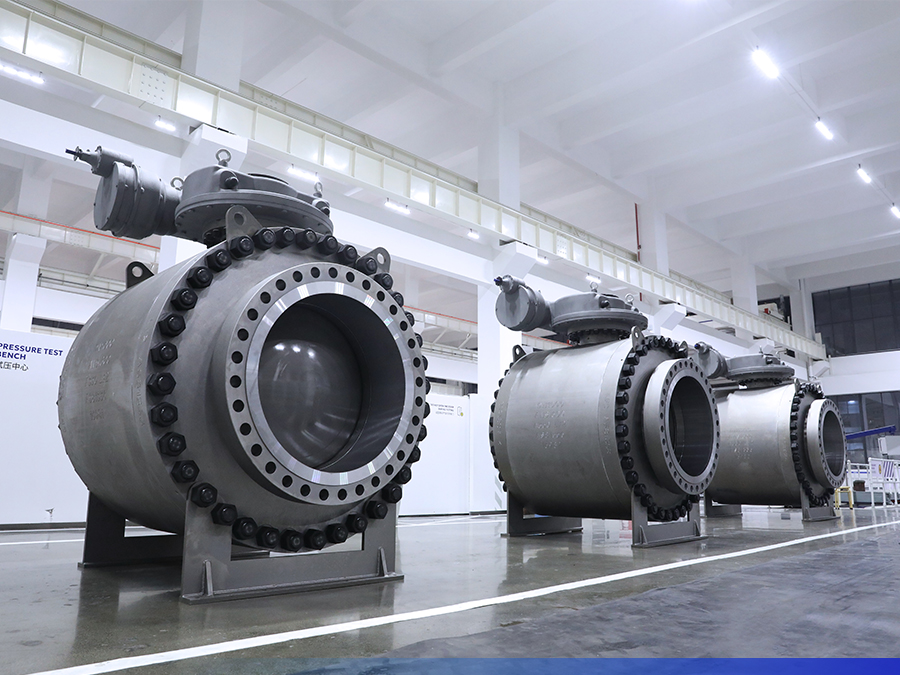
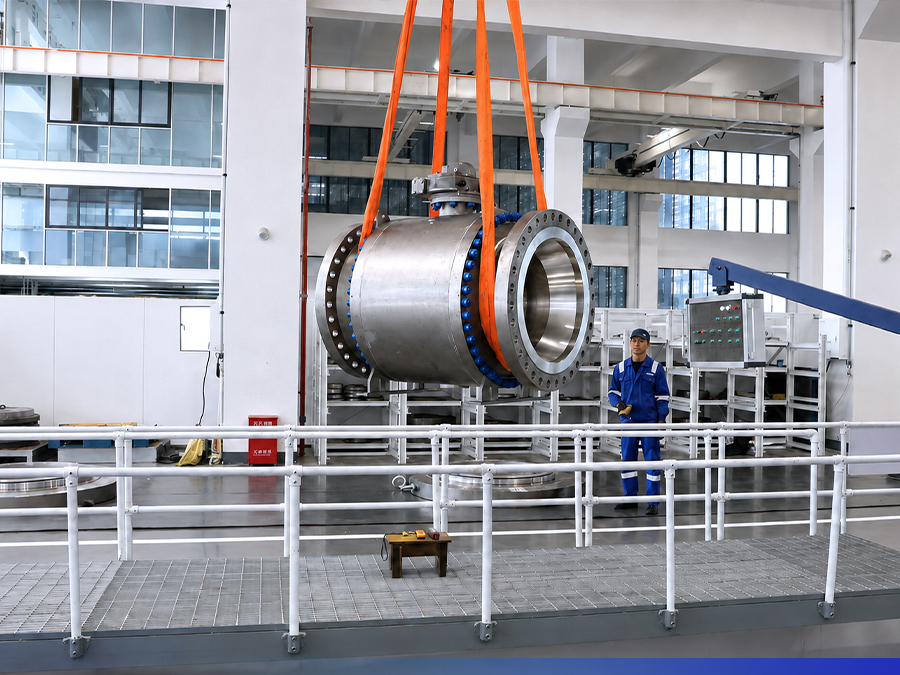
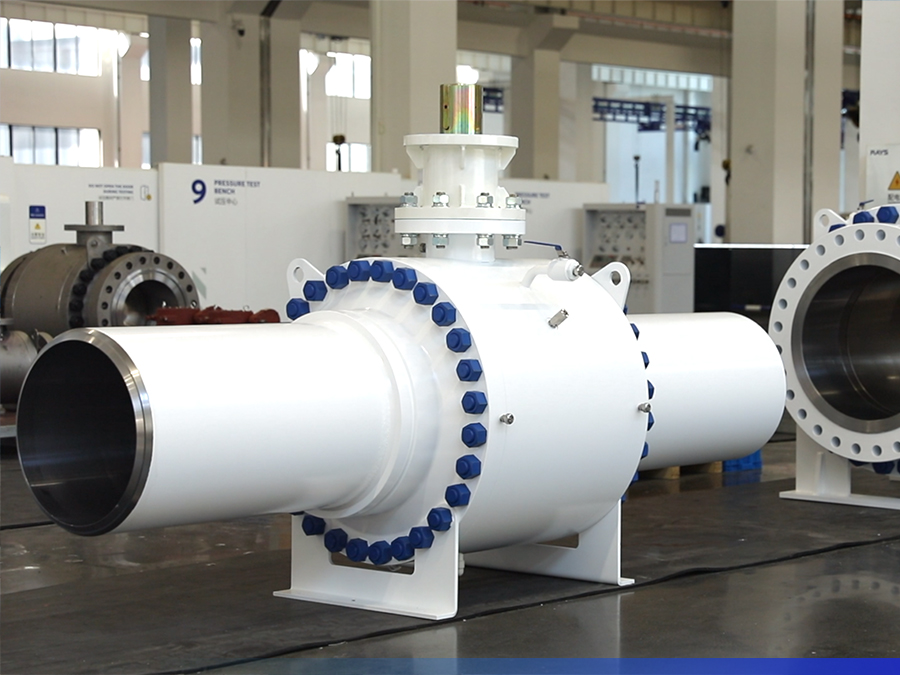
40" Class 600 Three-piece Support Plate Side-entry Trunnion Ball Valve | Gas Isolation Solution
Video 08-14,2026
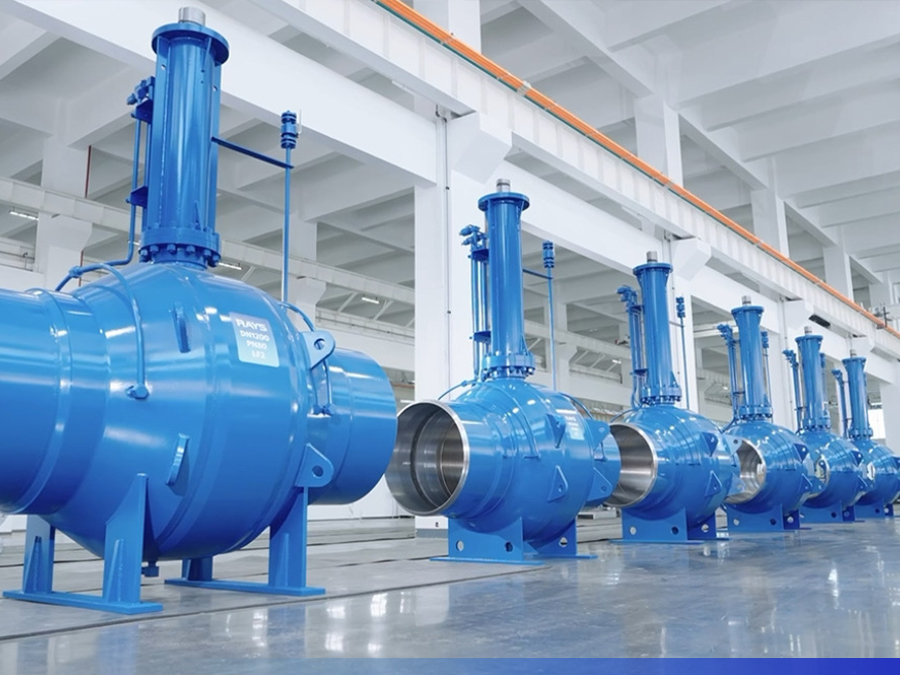
DN1400 | PN80 56-Inch Pneumatic-Hydraulic Fully Welded Ball Valves Delivered for Uzbekistan Natural Gas Pipeline Project
Case Study 06-13,2026
RAYS at CIPPE 2026: A Full Recap of Our Beijing Exhibition
Event & Fair 04-07,2026
RAYS 2025 | A Year of Milestones and Measurable Progress
Press Release 02-05,2026
Category
All
Press Releases
Case Studies
Videos
Events
Year
All
All
2026
2025
2024
DN1400 | PN80 56-Inch Pneumatic-Hydraulic Fully Welded Ball Valves Delivered for Uzbekistan Natural
06-13,2026
Proven Across Applications | Rising Stem Ball Valve Performance in Gas Field and Petrochemical Proje
04-28,2026
High-Pressure, High-Temperature Multistage Pressure-Reducing Control Valves Shipped from RAYS to Cus
11-10,2025
Manufacturing by RAYS | Top-Entry Metal-Seated Rising Stem Ball Valve Provides Key Technical Suppor
07-21,2025
RAYS Valve Supports Chemical Project, Delivering 202 High-Performance Valves in Progress
06-04,2025
The DN1200 ball valve was delivered to the customer as a solution for mixed gas treatment under extr
03-21,2025
RAYS successfully delivered the first batch of 40″-900Lb metal seated zero leakage trunnion mounted
09-04,2024
Cryogenic Ball Valve: Equipped with High-Performance Actuator
08-26,2024
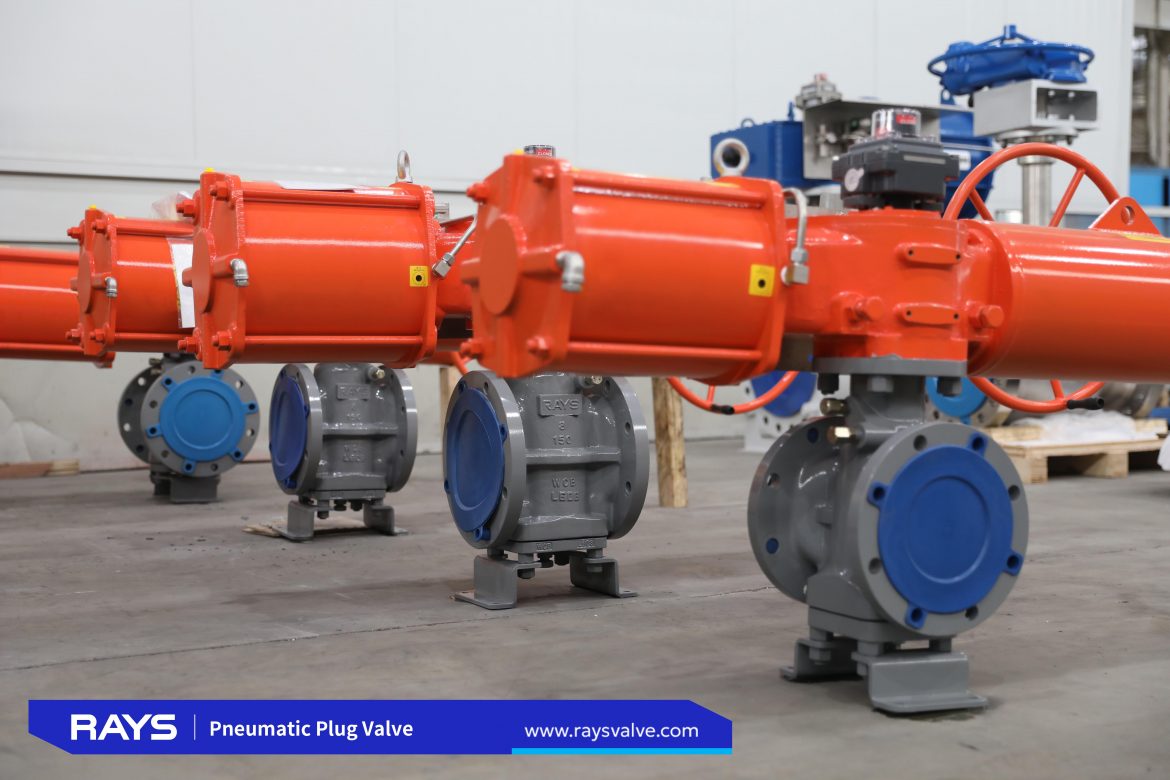
RAYS Successfully Delivers High-Performance Pneumatic Plug Valves, Enhancing CNOOC Daxie Petrochemic
07-30,2024
No matching content found.
<
1
2
3
4
>
Filter
close
Reset
Category
Event & Fair
Press Release
Case Study
Video
close
Industries
Oil & Gas
Power
Chemical
Mining
LNG
Water
close
Topic
Production Faciilties
RAYS Life
Event Review
Product
Insight
close
Video I 2026-08-14
40" Class 600 Three-piece Support Plate Side-entry Trunnion Ball Valve | Gas Isolation Solution
Read More
Case Study I 2026-06-13
DN1400 | PN80 56-Inch Pneumatic-Hydraulic Fully Welded Ball Valves Delivered for Uzbekistan Natural
Read More
Event & Fair I 2026-04-07
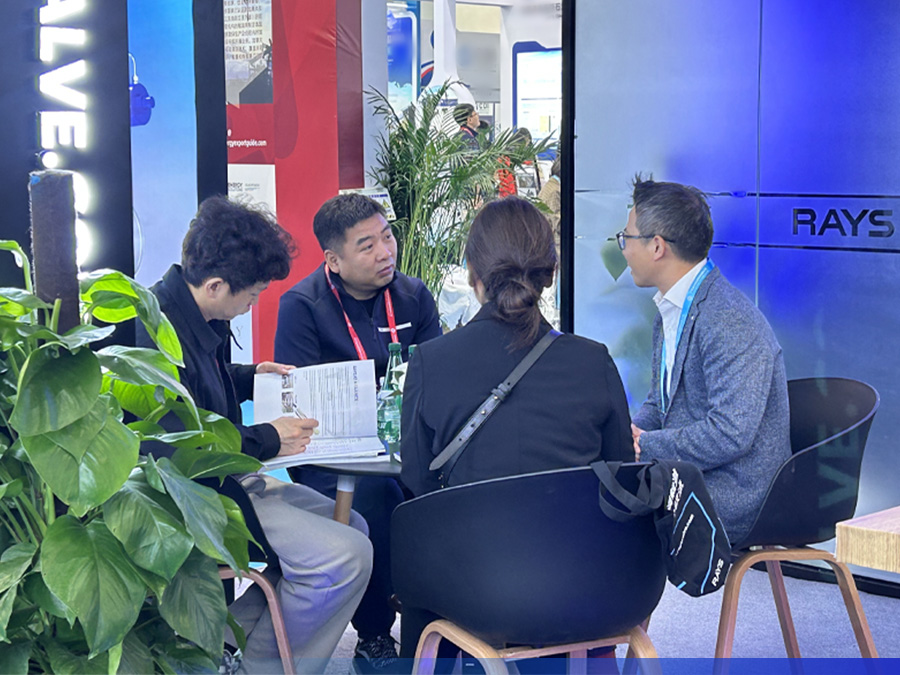
RAYS at CIPPE 2026: A Full Recap of Our Beijing Exhibition
Read More
Video I 2026-08-14
40" Class 600 Three-piece Support Plate Side-entry Trunnion Ball Valve | Gas Isolation Solution
Read more
Video I 2026-08-01
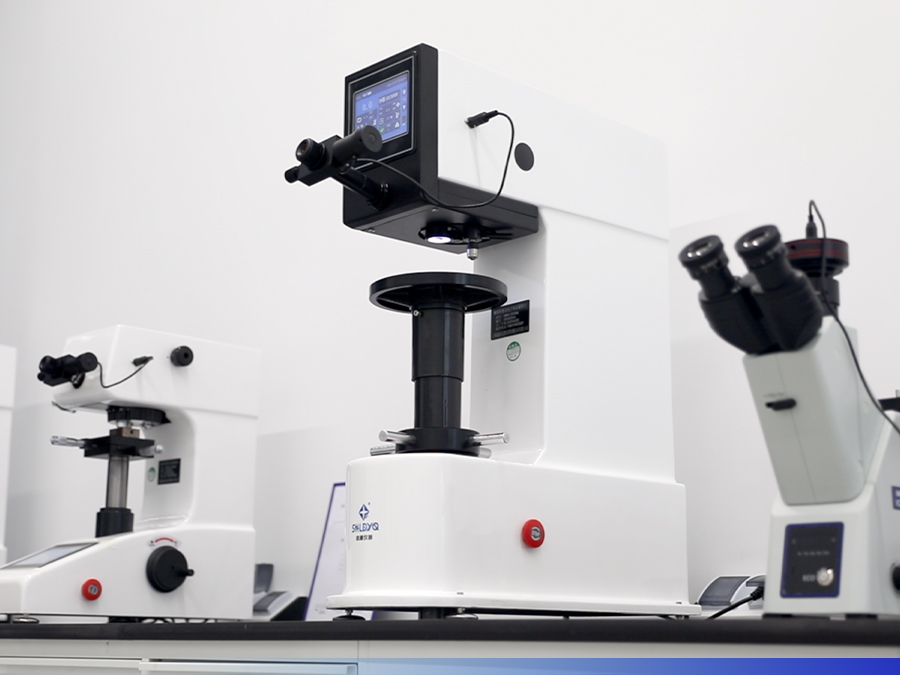
RAYS Laboratory Upgrades Material Verification Capability
Read more
Video I 2026-07-30
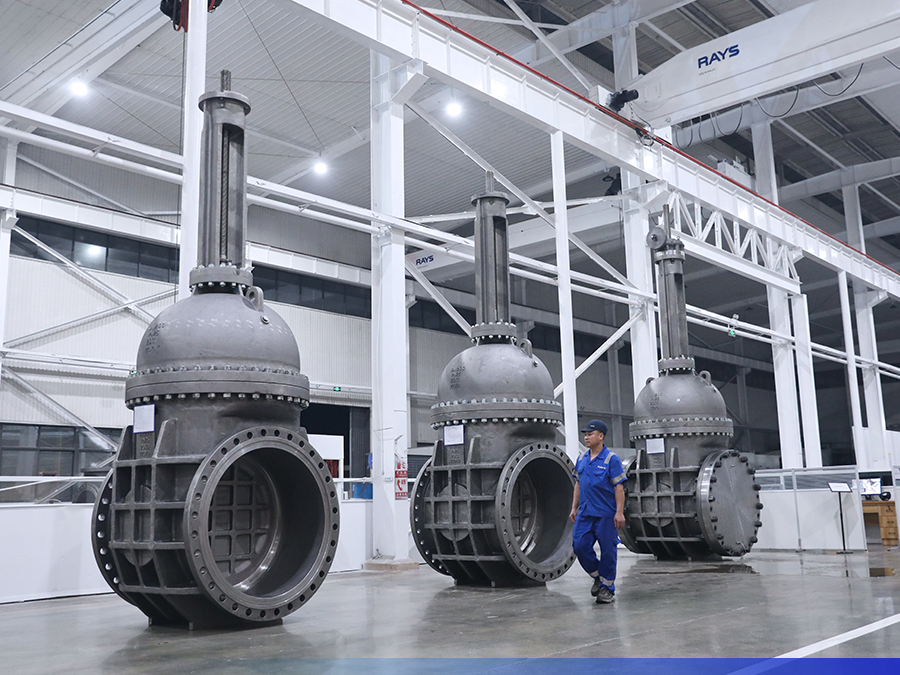
DN1200 PN25 Zero Leakage Rising Stem Wedge Gate Valve | Large Diameter Pipeline Valve Manufacturing
Read more
Video I 2026-07-21
CNOOC Wenchang Offshore Project | Pneumatic Cage-guided Single-seat Control Valve Successfully Deliv
Read more
Video I 2026-06-26
PETRONAD ASIA Project: 1–4" Class 300 Self-operated Micro-pressure Regulating Valves Delivered
Read more
Video I 2026-06-26
CNOOC Project: 26–36" Class 300–600 F51 Duplex Side-Entry Trunnion Ball Valves
Read more
Video I 2026-06-26
Malaysia Gas Project: DN600–900 Class 600 Pneumatic-Hydraulic Side-Entry Trunnion Ball Valves Delive
Read more
Video I 2026-06-26
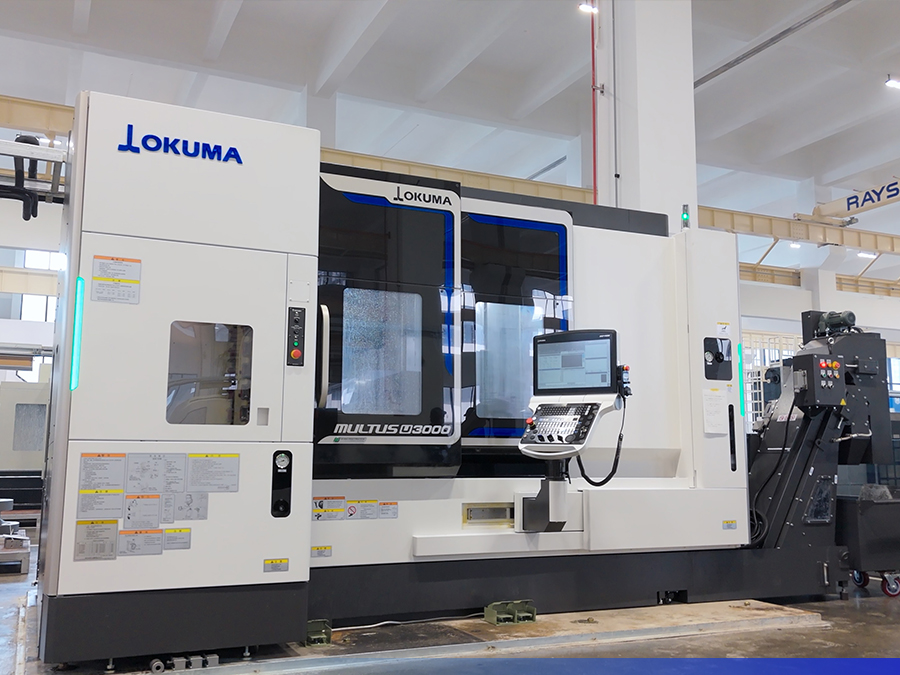
RAYS Alpha Factory Introduces OKUMA MULTUS U3000 Five-Axis Multitasking Machine
Read more
Case Study I 2026-06-13
DN1400 | PN80 56-Inch Pneumatic-Hydraulic Fully Welded Ball Valves Delivered for Uzbekistan Natural
Read more
Video I 2026-06-11
Cryogenic Sealing Is a Stability Problem, Not a Strength Problem
Read more
Case Study I 2026-04-28
Proven Across Applications | Rising Stem Ball Valve Performance in Gas Field and Petrochemical Proje
Read more
Video I 2026-04-23
Separation of Motion and Sealing: Redefining Valve Failure Mechanisms
Read more
Event & Fair I 2026-04-07
RAYS at CIPPE 2026: A Full Recap of Our Beijing Exhibition
Read more
Event & Fair I 2026-03-12
RAYS Flow Control Showcases Valve Solutions at NEFTEGAZ 2026
Read more
MORE
This website uses cookies to ensure you get the best experience when you visit. By using this website you consent to our use of these cookies. To find out more about the cookies we use, see our
Privacy Policy.
Accept
Decline